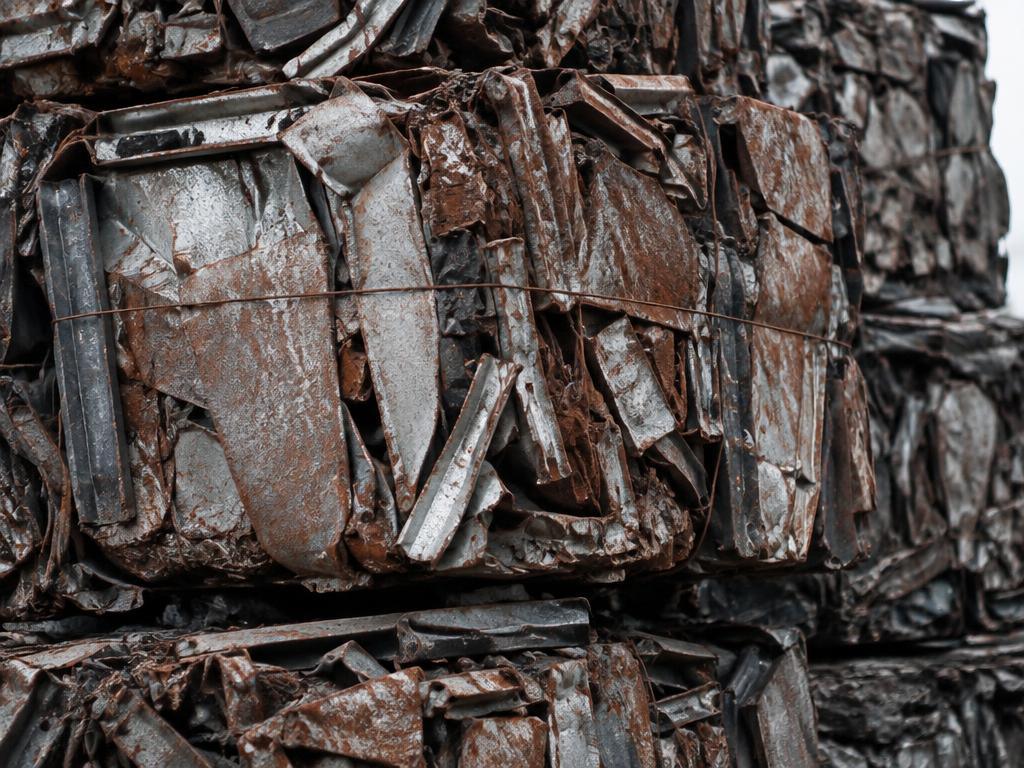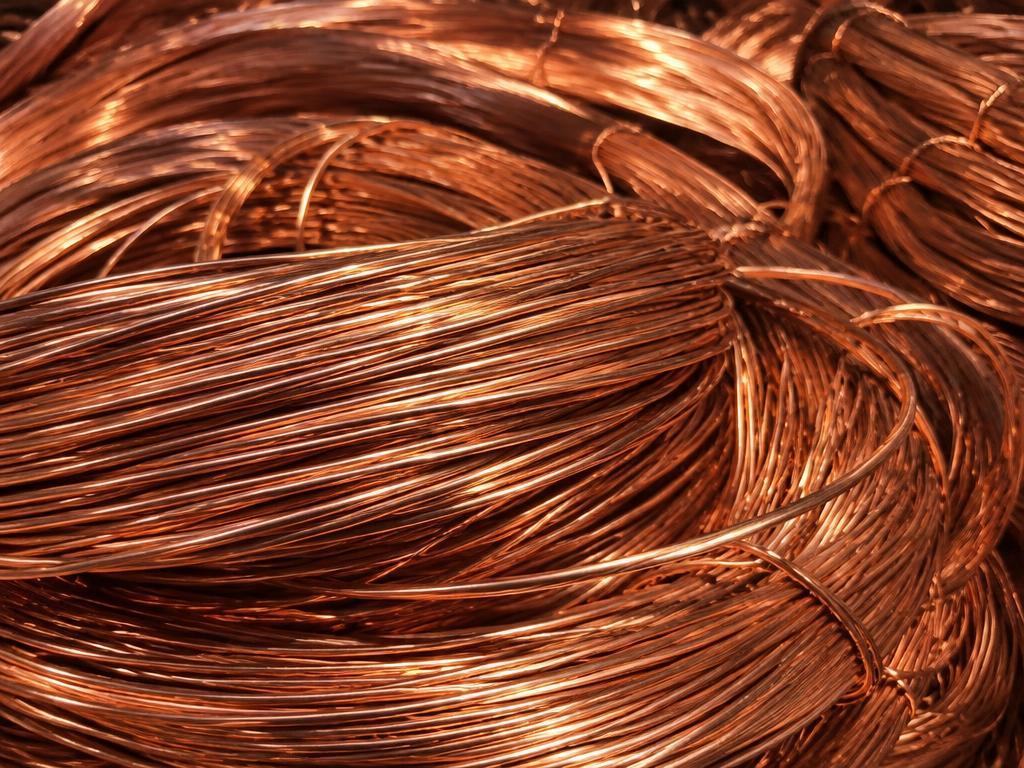
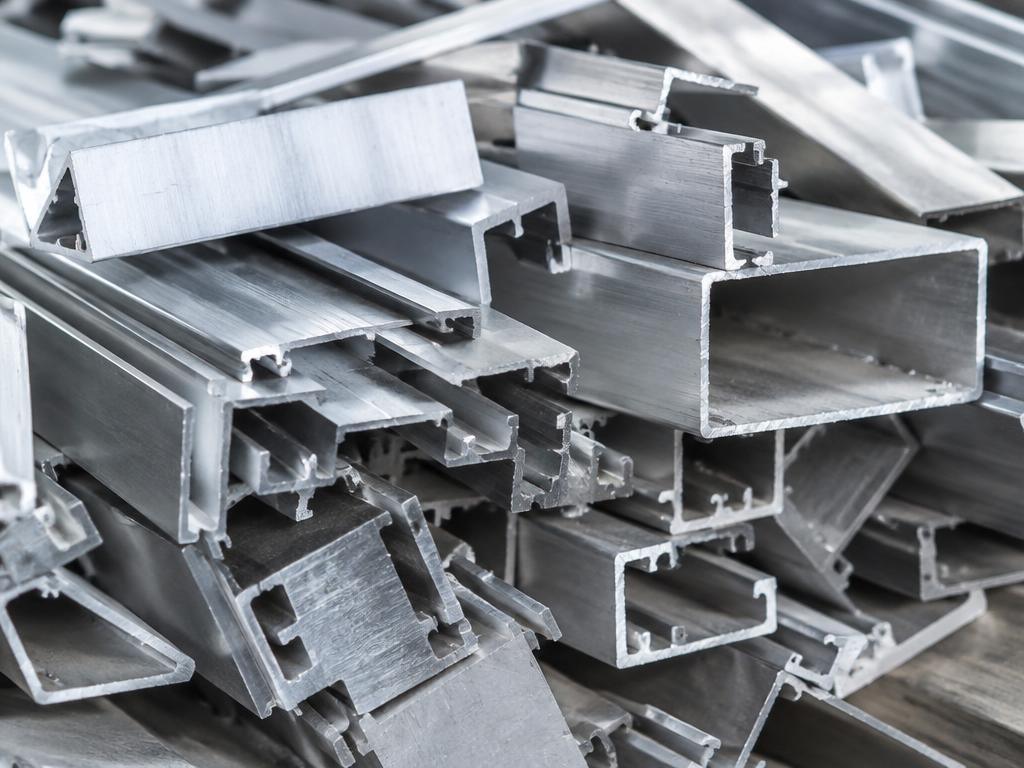
Electronic equipment holds both hazardous substances and valuable metals. What happens to it after disposal decides which outcome you get.
What sits inside the equipment
Electronic and electrical items contain a mix of materials. Some, such as lead, mercury and cadmium, are hazardous when released into soil and water. Others, including copper, aluminium and gold, are valuable and finite.
Two directions for the same item
Sent to landfill, an item's hazardous content becomes a long-term containment problem and its recoverable metals are lost. Sent through a recycling route, the hazardous parts are handled separately and the metals re-enter production.
Why recovery matters
Recovered metal generally needs less processing than newly mined metal. Every tonne that re-enters the stream reduces demand for primary extraction and the energy tied to it.
Where sorting fits in
Recycling outcomes depend on what arrives in the load. Mixed material contaminated with batteries or damp waste costs more to process and yields less. Sorting at the point of disposal is the cheapest improvement available to a business.
The practical conclusion
Keep e-waste separate, keep batteries out of metal loads, and use a route that documents what it does with the material.
Explore MRS Trading