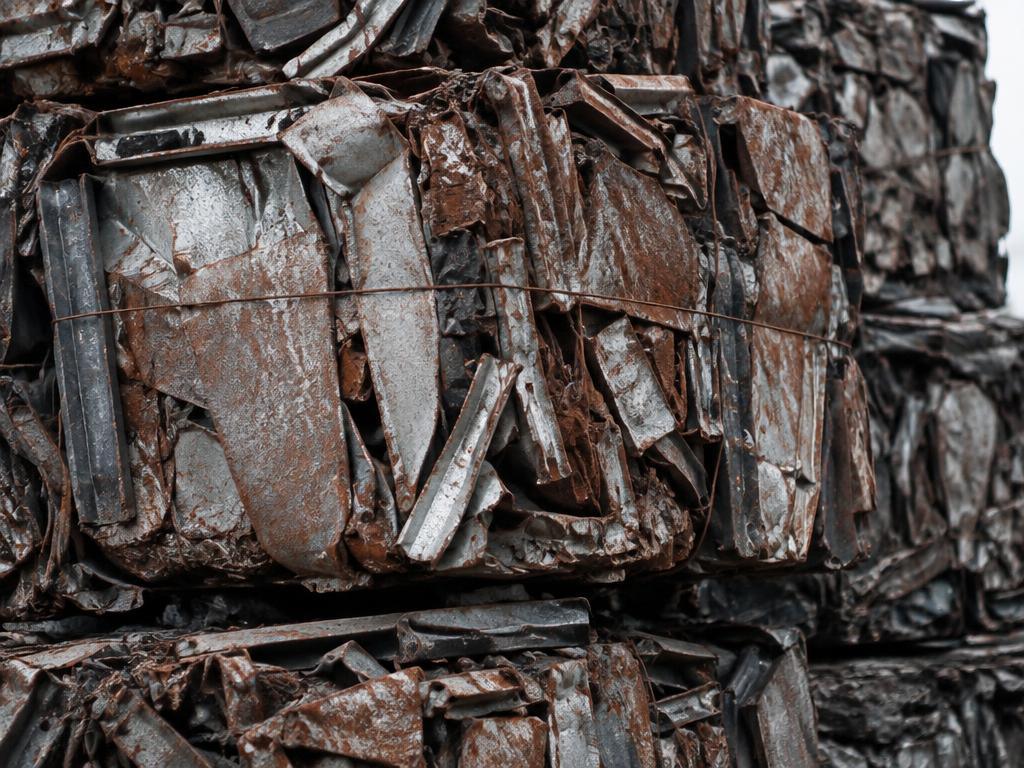
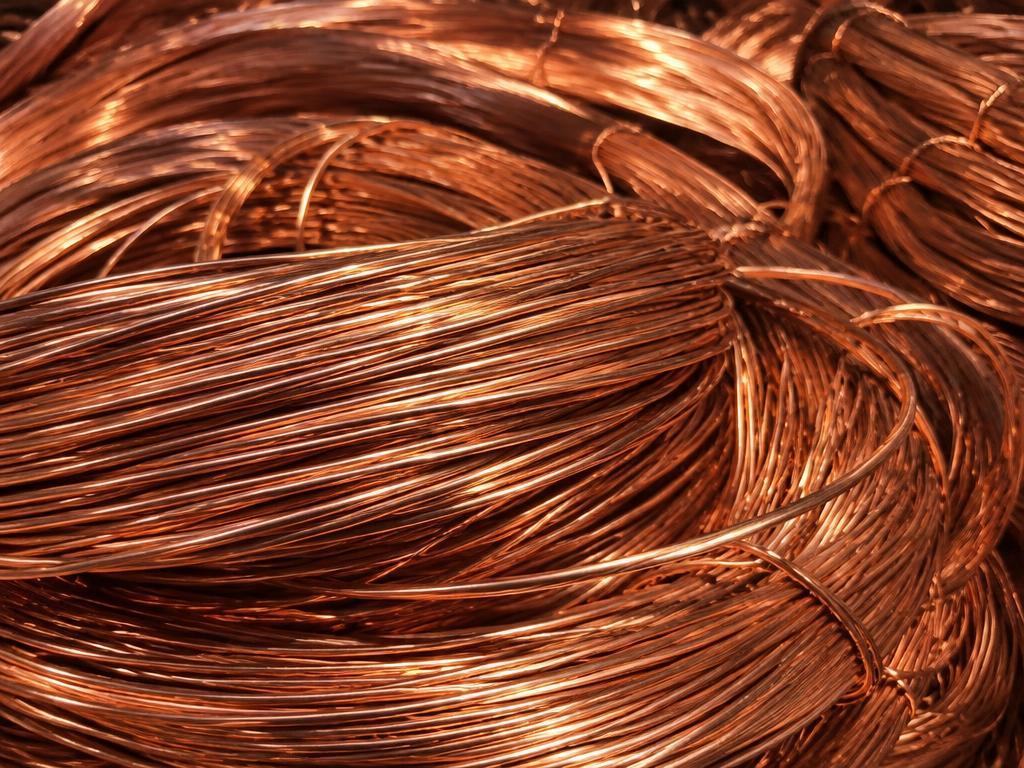
Metal type, form, purity and quantity all shape what a buyer can offer. Here is what matters and how to prepare a load for assessment.
What a buyer is actually paying for
A scrap metal offer reflects the material that can be recovered from your load, not the weight on the truck alone. Two piles of the same weight can be worth very different amounts because the metal inside them is different.
The factors that move value
- Metal type and grade. Bright bare copper wire is treated differently from insulated cable because the copper content differs.
- Form and size. Turnings, sheets, extrusions and heavy sections are handled differently in the yard and in the furnace.
- Cleanliness. Coatings, oil, insulation, moisture and mixed material all reduce usable yield.
- Separation. A load where ferrous and non-ferrous material is kept apart is quicker to assess than a mixed one.
- Quantity. Larger, consistent volumes are easier to plan around than small, irregular drops.
- Market conditions. Recovered metal competes with newly produced metal, and demand shifts between regions and industries.
Why we do not publish a price list
Any single number quoted without seeing the material would be misleading. Value depends on the specific grade, the form it arrives in and the quantity involved. A quotation is only meaningful once the material has been identified.
How to make your enquiry useful
- Send clear photographs of the material, including any markings or labels.
- Describe the form: cable, sheet, extrusion, machine offcuts, dismantled units.
- Give an honest estimate of quantity and how the material is currently stored.
- Say whether it is a one off or a recurring supply.
After the material leaves your site
Clean, well separated material moves faster into the recycling stream and keeps its value there. That is why we ask for sorting at source: it improves the outcome for both sides.
Explore MRS Trading