A practical sequence for businesses: inventory, data removal, segregation, safe storage and a documented handover.
Step 1: Take an inventory
List the equipment by type: IT assets, office machines, cables, UPS units, batteries, appliances. A simple list makes collection faster and gives you a record of what left the building.
Step 2: Deal with data first
Any device that stored information should be cleared before it leaves your control. Where a device cannot be cleared reliably, destruction is the safer option.
Step 3: Segregate
- Keep IT assets separate from cables and small electronics.
- Keep batteries and UPS units apart from everything else.
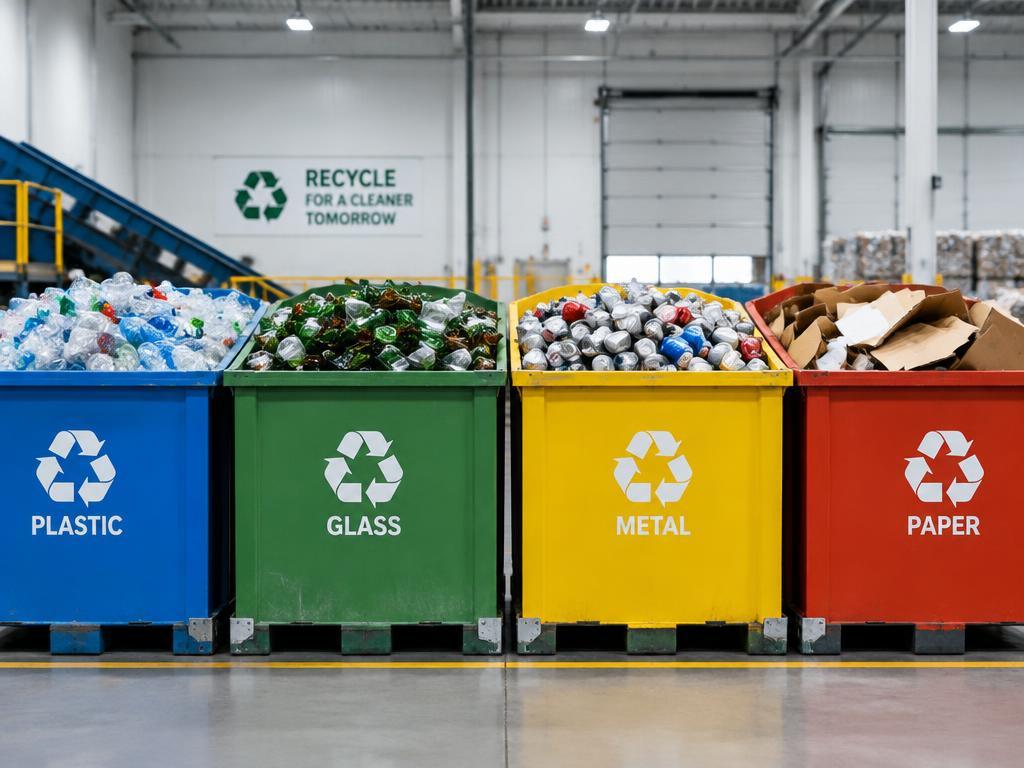
- Do not mix e-waste with metal scrap, because different handling applies.
Step 4: Store safely
Keep the area dry, avoid stacking heavy items on screens or casings, and do not crush batteries or damaged cells. Damaged batteries need careful handling and should be flagged to whoever collects them.
Step 5: Arrange collection and confirm the handover
Ask for a record of what was collected and in what quantity. For sensitive equipment, ask how destruction is carried out and what confirmation you receive afterwards.
What makes the process smoother
A reasonable notice period, clear access and a named contact on site remove most of the friction from a collection.
Explore MRS Trading